Powder Coating vs Paint
Introduction: The Coating Decision Dilemma for Queensland Businesses
Queensland businesses face a real decision when they need to protect assets and equipment. Choosing between powder coating vs paint affects durability, maintenance and long‑term cost. The Queensland climate makes that choice more important than you might think. Intense sun, salty coastal air, and sudden temperature changes can chew through coatings fast. It matters. Really, it does.
What Is Powder Coating?
Electrostatic Dry Powder Application Process
Powder coating uses finely ground dry powder that carries an electrostatic charge. That charge helps the powder cling evenly to metal surfaces, so you get a consistent layer and minimal material waste. It’s tidy. No drips. No brush marks. Just an even coat that looks and performs well.
Curing Method and Chemical Composition
Once applied, the part goes into an oven, where the powder melts, flows and chemically reacts to form a continuous film. The result bonds strongly to the substrate. Think of it as a finish that fuses rather than simply sits on top. That curing step is what gives powder coating its toughness.
Durability and Finish Thickness
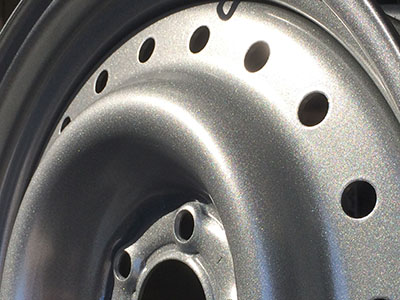
Powder-coated surfaces are hard and uniform. They resist chipping, scratching, fading and corrosion. The finish is thicker than typical liquid paint, which means more protection in rough environments. If you want something that lasts, this is usually the way to go.
What Is Traditiona l Paint?
Liquid Paint Composition
Traditional paint mixes pigments into a solvent or water base, with binders to help it stick. Pretty straightforward chemistry, tried and true. It’s flexible, and it can be formulated for lots of surfaces.
Application Methods
Paint gets applied with brushes, rollers or spray guns. Each method needs drying time between coats. That extends the project timeline. Also, application skill matters. Brush marks and runs can happen. You know what? A good painter makes a huge difference.
Wet vs Dry Coating Systems
Paint is a wet system. Powder coating is a dry system. That matters. Wet coatings can sag or run if handled badly. Powder coating generally gives cleaner, more uniform coverage with fewer finish defects.
Head-to-Head Comparison: Powder Coating vs Traditional Paint
Durability and Lifespan
Powder coating generally lasts more than 20 years. Traditional paint typically needs repainting every three to five years, especially under harsh conditions. Big gap. That extra life can save headaches and money over time.
Environmental Impact
Powder coatings contain no volatile organic compounds, so they are kinder to the air. Solvent-based paints release VOCs, and that contributes to air pollution and potential health issues. If environmental impact matters to you, powder coating is the greener choice.
Cost Differences and Total Cost of Ownership
Upfront, powder coating can cost 20 to 40 percent more than traditional paint. Here’s the catch, though. Because it lasts longer and needs less maintenance, the total cost of ownership often favours powder coating. Pay more now, pay less later. Kind of like buying a better pair of work boots.
Finish Quality and Application Efficiency
Powder coating delivers a smooth, uniform finish with fewer defects such as brush marks or fading. Application is efficient, with less overspray and material waste than liquid paint. That consistency is valuable for commercial work where repeatability matters.
Suitability for Harsh Australian Conditions
Powder coatings handle Queensland’s intense UV, coastal salt spray and big temperature swings far better than most paints. They keep their integrity and appearance longer. If you live by the beach or under a blazing sun, this matters.
Maintenance Requirements
Powder-coated items usually need less frequent cleaning and fewer repairs. Less time spent maintaining gear. More time doing actual work. Simple as that.
When to Choose Powder Coating
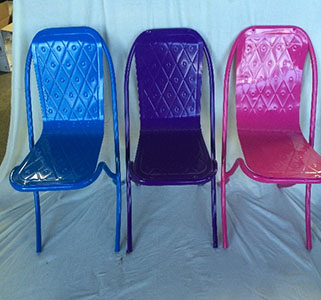
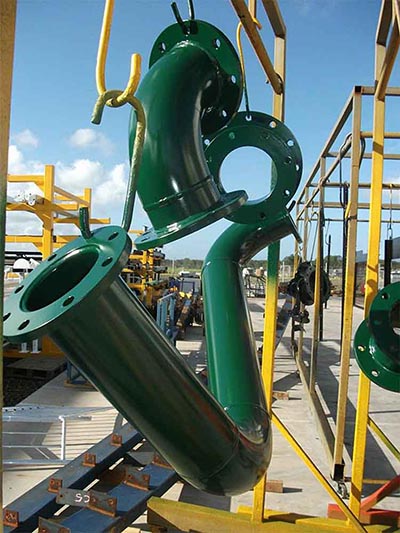
Choose powder coating when you need heavy-duty durability and resistance to wear. Good examples include industrial equipment, automotive parts, outdoor furniture, marine fittings and agricultural machinery. If it spends a lot of time outdoors or takes knocks, powder coating is often the smarter choice.
When Traditional Paint Makes Sense
Traditional paint still has its place. It is useful for heat-sensitive materials that cannot tolerate the powder curing oven. It’s also handy for ultra-thin coatings, quick on‑site touch ups, or projects with very tight budgets and short expected service lives. Sometimes quick and cheap wins. Other times not.
The Australian Conditions Factor
Queensland’s UV Exposure and Coastal Salt Spray
The sun here is relentless, and salty ocean air accelerates corrosion. Powder coating gives the extra toughness needed to resist those elements. It’s like putting a suit of armour on your gear. Honestly, you notice the difference.
Extreme Temperature Fluctuations
Temperature swings make materials expand and contract. Powder coatings handle those stresses without cracking or peeling as easily as many paints. That flexibility keeps things sealed and protected.
Compliance with Australian Standards
Both coating types must meet regulatory standards for safety and performance. Powder coatings typically meet or exceed the benchmarks for durability in Australia’s environment. That’s reassuring when you’re specifying for long‑term use.
Cost Analysis: Total Cost of Ownership
Initial Costs Comparison
Initial cost for powder coating is higher, often by 20 to 40 percent compared with traditional paint. You pay a premium for the material and the curing process. Upfront it can sting a bit.
Maintenance Costs Over 10 Years
Over a decade, powder coating can reduce maintenance costs by up to 60 percent. Less repainting, fewer repairs, less downtime. The savings add up, and fast.
Return on Investment Examples
For assets like factory equipment or outdoor furnishings, powder coating’s longevity reduces downtime and repaint cycles. That translates into strong returns over time. It’s the long game, and for many businesses the numbers make sense.
SES Coatings’ Powder Coating Advantages
State-of-the-Art Facilities and Quality Assurance
SES Coatings uses modern powder coating equipment to deliver consistent, high-quality finishes across a range of applications. Quality control matters here. We check finishes, and we don’t rush the process.
Environmentally Friendly and ERA Approved Processes
Our processes meet environmental regulations, and are ERA approved. That means fewer emissions, and a smaller environmental footprint. That’s good for business and for the community.
Pick-Up and Delivery Services
SES Coatings offers pick-up and delivery services to minimise downtime and keep projects on schedule. It makes life easier. No need to juggle logistics yourself.
Making Your Decision
Simple Decision Framework
Think about durability needs, environmental impact, budget constraints and the conditions the item will face. Choose powder coating for long-term outdoor protection and harsh environments. Choose traditional paint for heat-sensitive parts, very thin coatings, or short-term projects.
Key Considerations Summary
Prioritise durability if the item will spend years outdoors. Consider environmental impact if workplace health or emissions matter. Budget matters too, but don’t just chase the cheapest upfront price. Long-term value counts. It’s a balance. You’ll know which side leans heavier.
Call-To-Action for a Free Assessment
Contact SES Coatings to arrange a free consultation. Our experts will assess your needs and recommend the coating choice that suits your project. No hard sell. Just straightforward advice.
Conclusion
Powder coating offers outstanding durability, environmental benefits and strong cost-effectiveness for most Queensland applications. Traditional paint still makes sense for specific needs, such as heat-sensitive materials or very short-term projects. If you want long-lasting protection against Australia’s harsh conditions, powder coating is usually the better choice. Talk to SES Coatings to protect your equipment and maximise value.
Our Other Popular Services
Call us now 07 5446 2614 or if you prefer click on the button
